Maryam Ke Mehman Program 2026
The Punjab government took a bold step as Ramadan approached, approving Rs 6 billion specifically for Nigehban Dastarkhwan under the Maryam ke Mehman Program, designed to reach 93,00,000 people across the province.

And when you look at the full picture, the total Rs 47 billion commitment signals just how serious this relief effort is for deserving people at every level.
The scheme delivers direct financial help so people can meet their basic needs and enjoy Eid without excessive Having followed welfare programs in Pakistan for years, I can say this scale of intervention during the holy month is genuinely unprecedented.
What makes this stand out isn’t just the budget, it’s the intent to leave no fasting person going hungry, combining free meals, subsidized groceries, and direct cash support for millions of families under one unified welfare initiative led by Maryam Nawaz Sharif and the Government of Punjab.
What is Maryam Ke Mehman Program 2026?
The Maryam ke Mehman Program, operating as the Ramzan Nigehban Package, set up community Dastarkhwans across Punjab where both Iftari and Sehri needs were addressed tehsil by tehsil, serving 2,000 people per day with real dignity and respect for every Rozadar.
Punjab Chief Minister Maryam Nawaz Sharif personally chaired the meetings that approved the CM Ration Card, Sasta Bazaar access, and administrative measures to reach underprivileged families with timely assistance, cutting through unnecessary hurdles that have historically plagued welfare delivery in the region.Overview of the Program
What is Nigehban Dastarkhwan Under the Ramzan Nigehban Package?
Nigehban Dastarkhwan Maryam ke Mehman was rolled out across every tehsil and district of Punjab, where 2,000 fasting individuals received iftar daily without any registration barrier at the gate.
Known formally as Nigehban Dastarkhwan, this sits at the heart of the Nigehban Ramadan Package initiated by Punjab Chief Minister Maryam Nawaz Sharif for Ramadan 2026 a direct response to the struggles of fasting people, particularly the underprivileged, throughout the holy month.
The program’s Urdu identity, Maryam ke Mehman, itself carries a message: every person who comes to break their fast is a guest of Maryam.
The Nigehban Ramzan Package 2026, also referred to as:
- Nigehban Ramadan Package
- Nigehban Card
- Ramzan Package 2026
stands as the province’s largest-ever package of its kind a structured welfare initiative by the Government of Punjab backed by Rs 47 billion to directly combat inflation and support low-income families through the entire month of Ramadan.
Key Features of Maryam Ke Mehman Program 2026
Free Iftari & Sehri Arrangements Across Punjab
Free Iftari in the form of nutritious meals was served daily at every tehsil.
The program deliberately extended to both urban and rural communities, ensuring widespread access.
Every meal dates, fruits, samosas, pakoras, juices was designed for balanced energy for fasting individuals, with full supervision by the Punjab Food Authority maintaining hygiene standards throughout.
Rs 10,000 Nigehban Card Financial Assistance
Rs 10,000 in essentials-linked cash reached 4 million families under the Ramadan Nigehban Package.
On the ground, the Nigehban Card delivered value right to the doorstep, upgrading aid from Rs 3,000 to Rs 10,000 for existing Ration Card holders during Ramadan.
300 Dastarkhwan Sites Serving Rozadars Daily
Across Punjab, 300 Dastarkhwan sites were operational in 2026, each capable of feeding 2,000 people daily.
Eight Maryam ke Mehman centres per tehsil formed the backbone of the Dastarkhwan initiative, serving iftar meals to fasting individuals throughout the holy month.
Sahulat Bazaar & Discounted Rashan Facilities
Groceries, ration, and household essentials were available at discounted prices through Sahulat Bazaars.
Iftaar centers were also activated across all Punjab tehsils.
Maryam Ke Mehman Program Budget & Financial Details
The Punjab government ring-fenced Rs 6 billion for the Nigehban Dastarkhwan Maryam ke Mehman initiative alone.
The broader envelope of Rs 47 billion was directed toward comprehensive relief across the province.
The full program budget ranged between Rs 40–47 billion, with Nigehban Cards moving into distribution from January 30, 2026 a timeline that reflects the government’s commitment to a smooth, transparent process before Ramadan even began.
Under the Ramadan Nigehban Card:
- Beneficiaries could access both essential items and cash
- Ration card holders across Punjab saw assistance increase from Rs 3,000 to Rs 10,000
- Millions of struggling households received upgraded monthly support
Iftar Menu List at Nigehban Dastarkhwan 2026
From my observation of community welfare setups in Pakistan, the quality of food served often becomes an afterthought but not here.
Fasting individuals at every Maryam ke Mehman site were served:
- Dates
- Samosas
- Milk
- Rooh Afza
- Bananas
- Chicken biryani
The spread addressed both immediate energy and proper nutrition after a long fast.
These traditional iftar items fruits, pakoras, juices were complemented by nutritious meals engineered for balanced energy for fasting individuals.
The entire food operation ran under strict Punjab Food Authority protocols, ensuring hygiene and consistent supervision across every site.
Nigehban Card Details, Distribution & Activation Process
- The Nigehban Card was conceived as a digital smart card not just a token, but a fully functional vehicle for financial aid that was both transparent and accountable from day one.
- Distribution reached beneficiaries at their doorstep, with collection centers spread across all tehsils of Punjab.
Required Documents for Nigehban Card Verification
Citizens only needed:
- CNIC
- Registered mobile number
to access support.
Those registered under the PSER Survey or the Punjab Social Security Scheme, or who received a notification from Bank of Punjab, simply needed to present their CNIC or National ID Card along with their registered mobile number to a bank representative to complete the process.
Nigehban Card Collection Centers & Helpline Details
The infrastructure behind this was serious:
- 160 collection centers across Punjab
- Full management by PITB for transparency
- Dedicated Helpline: 08000 2345
By the time the program was in full swing:
- Over 1 million Nigehban Cards have been printed
- 10,000 distributions and activations have been completed
- The entire process remained digital, transparent, and PITB-managed
Bank of Punjab ATM Activation & Cash Withdrawal Process
A total of 136 activation centers were established.
Bank of Punjab ATMs enabled activation, while cash withdrawal was made possible through:
- Bank of Punjab branchless banking agents
- One Link network ATMs
- Designated vendors
for maximum reach.
Eligibility Criteria for Maryam Ke Mehman Program 2026
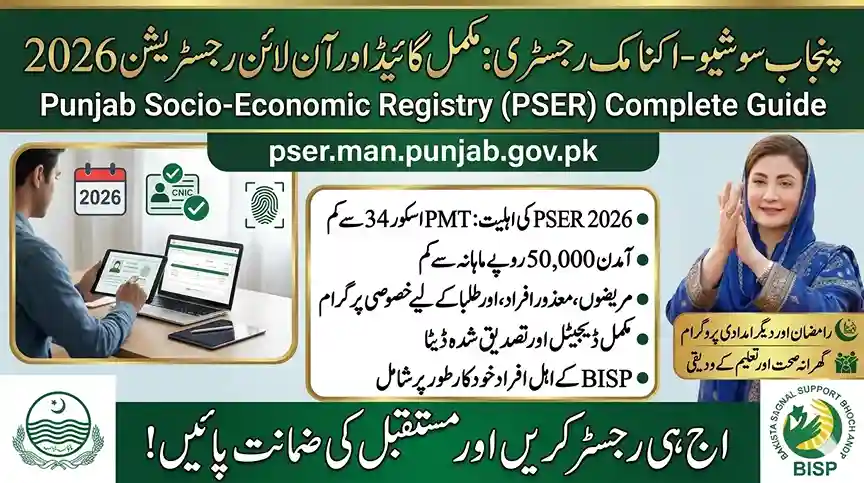
Beneficiary selection and verification were handled entirely through the Punjab Socio-Economic Registry (PSER), ensuring transparency and fair distribution without political interference.
Families could check their status using:
- 8070 SMS code
- PSER registration records
making the system accessible even to those with limited digital literacy.
Who Can Apply for Nigehban Ramadan Package?
Applicants needed to:
- Be a permanent resident of Punjab
- Hold a valid 13-digit CNIC
- Have no family members abroad
- Have no registered vehicle in the applicant’s name
PMT Score, Income & CNIC Requirements
Applicants were required to:
- Carry a monthly household income below Rs 45,000
- Have a PMT score below 30% in the PSER database
Priority Categories for Financial Assistance
Special priority was extended to:
- Widows
- Disabled individuals
- Daily wage workers
- Those not receiving major government aid through other channels
PSER Verification & 8070 SMS Check Method
Beneficiary verification was managed through the Punjab Socio-Economic Registry (PSER).
Families could verify eligibility through:
- PSER registration records
- 8070 SMS code system
This process helped maintain transparency and accessibility for low-income households across Punjab.
Sasta Bazaar & Sahulat Bazaar Facilities in Ramadan 2026
A total of 65 Sasta Bazaars were made operational across 30 districts of Punjab.
These worked alongside:
- Permanent Sasta Bazaars
- Mobile Sasta Bazaars
- Temporary Ramadan Bazaars
Temporary Ramadan bazaars were established in 11 districts to fill geographic gaps, all timed precisely to the Ramadan calendar.
Maryam Nawaz Sharif personally directed sweeping price reductions during Ramadan.
This included the establishment of stalls by:
- Flour mills
- Chicken suppliers
- Grocery merchants
- Ghee mill associations
ensuring every essential remained within reach.
Groceries and household essentials at discounted rates flowed through Sahulat Bazaars as a core pillar of the Maryam ke Mehman Program.
Ramadan Nigehban Dashboard Monitoring & Transparency System
A live Ramadan Nigehban dashboard was deployed alongside a counter-checking system using phone calls to cardholders.
The chief minister personally directed that the entire payment process remains simple and convenient for every beneficiary.
The Ramzan Nigehban Dashboard provided live tracking capabilities, while officials made direct calls to recipients to prevent misuse of the system.
Punjab Food Authority Monitoring at Dastarkhwan Sites
The following officials actively monitored arrangements:
- Commissioners
- Deputy commissioners
- Assistant commissioners
- Punjab Food Authority officials
Deputy Commissioner Inspections & Oversight Measures
In Muzaffargarh, the Deputy Commissioner visited MGM Marquee to personally review the Maryam Ke Mehman Dastarkhwan setup during Ramadan.
The inspection covered:
- Food quality
- Cleanliness
- Seating arrangements
- Discipline
- Security measures
Officials were directed to maintain the highest standards throughout the holy month.
Impact of Maryam Ke Mehman Program on Poor Families
Food Security & Inflation Relief During Ramadan
Food Security became the defining outcome, ensuring that no Rozadar went hungry during Ramadan.
Economic Relief at the scale of Rs 47 billion directly addressed the inflation burden weighing heavily on households heading into Ramadan.
Community Support & Rozadar Welfare Initiative
The Community Spirit generated through shared meals built genuine social bonds across Punjab communities.
More than policy optics, the program gave poor families real breathing room to afford Sehri, Iftar, and even Eid preparations throughout Ramadan without stress or resorting to borrowing.
Women Empowerment & Welfare Leadership in Punjab
The entire initiative, led by Maryam Nawaz Sharif, became a landmark moment for Women Empowerment and female leadership in public welfare delivery in Pakistan.
Conclusion
The Maryam Ke Mehman Program 2026 under the Nigehban Dastarkhwan initiative represents one of the most extensive Ramadan relief efforts in Punjab, combining free meals, direct cash assistance, subsidized groceries, and transparent digital systems to support millions of deserving families.
With a total allocation of Rs 47 billion, the program focuses on food security, financial relief, and accessibility through platforms like the Nigehban Card, PSER verification, and Sahulat Bazaars. Its structured approach ensures that aid reaches the most vulnerable segments of society during the holy month.
Overall, the initiative highlights a shift toward more organized, data-driven welfare delivery aimed at reducing inflation pressure and strengthening social support systems for low-income households across Punjab.